about therapy
-
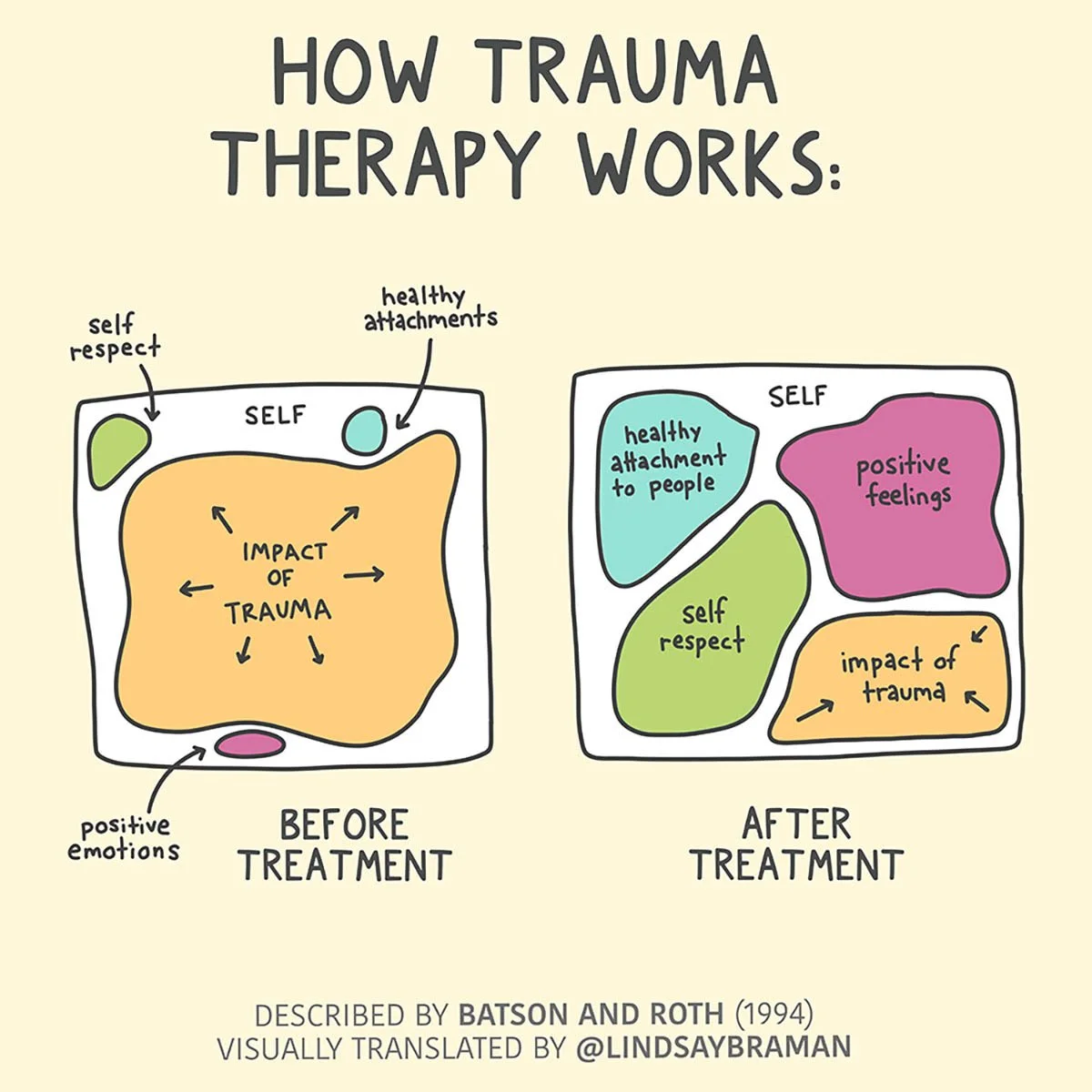
My work is primarily relational, attachment-focused, psychodynamic, and trauma-informed. I also integrate ideas and interventions from:
DBT
ACT
family systems
narrative therapy
mindfulness-based approaches
nervous system/regulation-focused work
In practice, this usually means I’m interested not just in symptoms themselves, but in:
what those symptoms are trying to accomplish
how they developed
what relationships and environments shaped them
what survival strategies made sense at the time
and how to help build a more stable, connected sense of self moving forward
I practice neurodiversity-affirming care, working with you to identify your own healthy baseline — rather than treating difference itself as pathology. The goal is not to force you into a version of “normal” that leaves you disconnected from yourself, but to help you better understand your patterns, reduce suffering, strengthen relationships, and build a life that feels more sustainable and authentic to you.
-
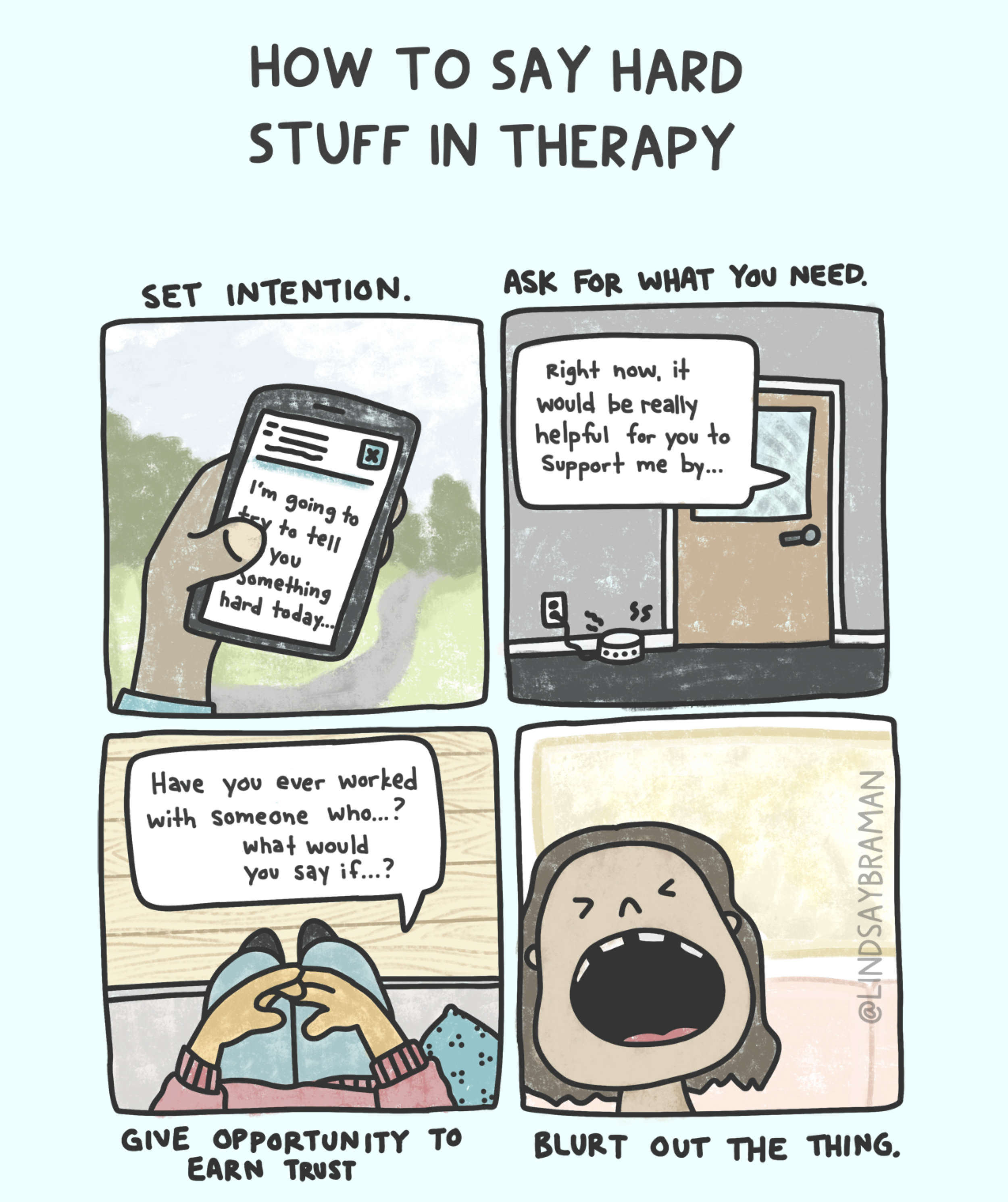
My style tends to be collaborative, flexible, direct, curious, and human. Therapy with me is not usually a blank-wall “how does that make you feel?” experience, but it’s also not just advice-giving or forced positivity.
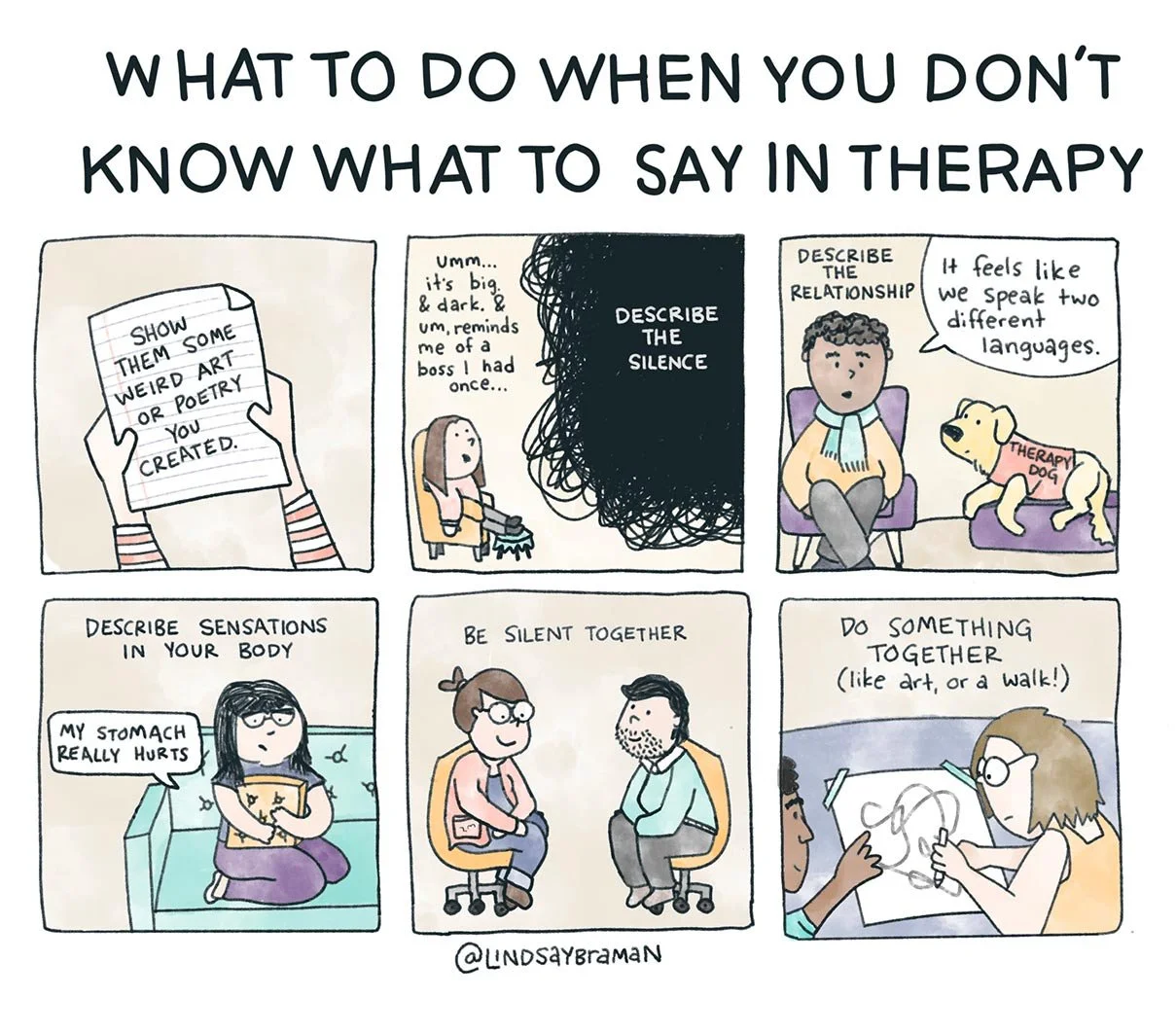
Depending on the person and situation, sessions may involve:
emotional processing
exploring patterns and relationships
humor
grounding/regulation strategies
psychoeducation
games or creative interventions
role play
metaphor/storytelling
practical problem-solving
family involvement
making space for difficult emotions without trying to erase them
I try to meet people where they actually are rather than where they think they’re supposed to be.
-
Therapy with children and adolescents often looks different than therapy with adults and may involve:
games
metaphor
storytelling
creativity
regulation work
indirect forms of communication and emotional processing
Parent or caregiver involvement is sometimes part of the process as well, particularly with younger clients, while still maintaining developmentally appropriate privacy and emotional safety for the client.