school support
School is often a major part of a young person’s mental health journey. Sometimes it contributes significantly to symptoms; other times it can be a source of stability and support in treatment.
While it can be tempting to focus on school as an indicator of stability or progress, it is important to keep perspective: kids can’t go to school if they’re dead, and they can’t get good grades if they don’t go to school. If we focus only on school success, we risk prioritizing the desired outcome over the health and safety of the child. When a young person is actively suicidal, school performance cannot be the primary focus of treatment.
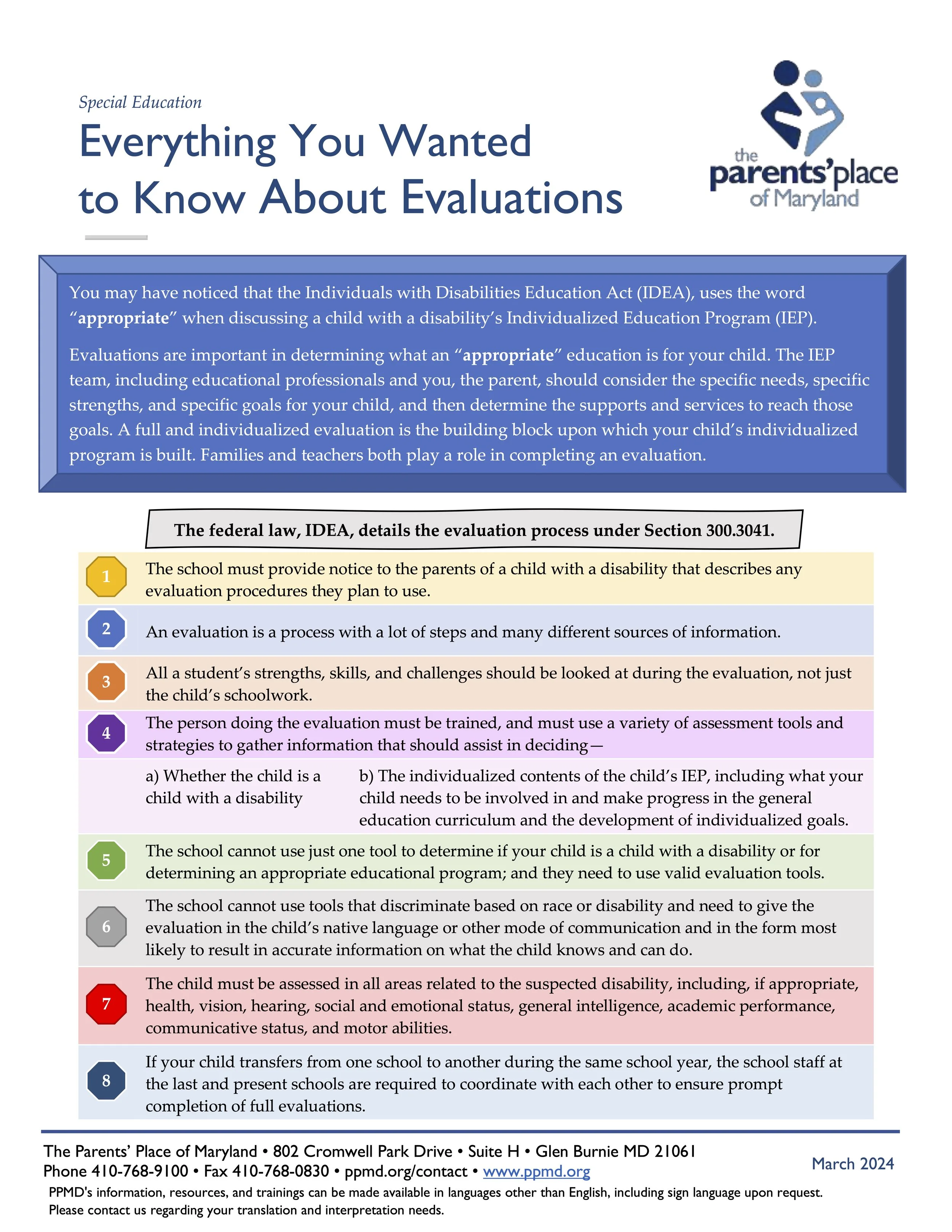
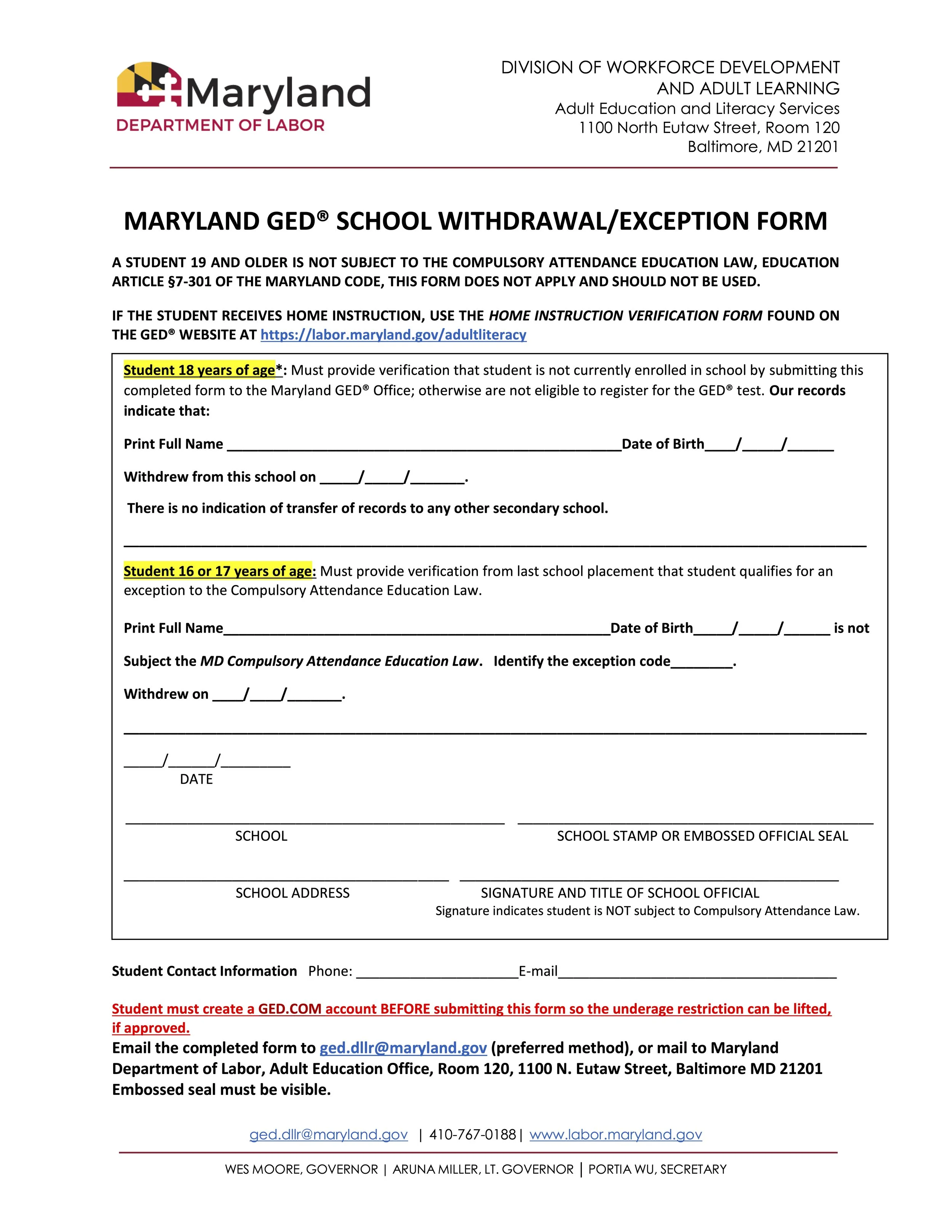
Identifying and implementing alternative educational plans is sometimes an essential part of successful treatment. These may include school-based supports such as 504 Plans, IEPs, modified schedules, or reduced workloads, as well as alternative options like online schooling, Home & Hospital services, or getting a GED/Maryland High School Diploma.
public school support (504 plans, IEPs, etc.)
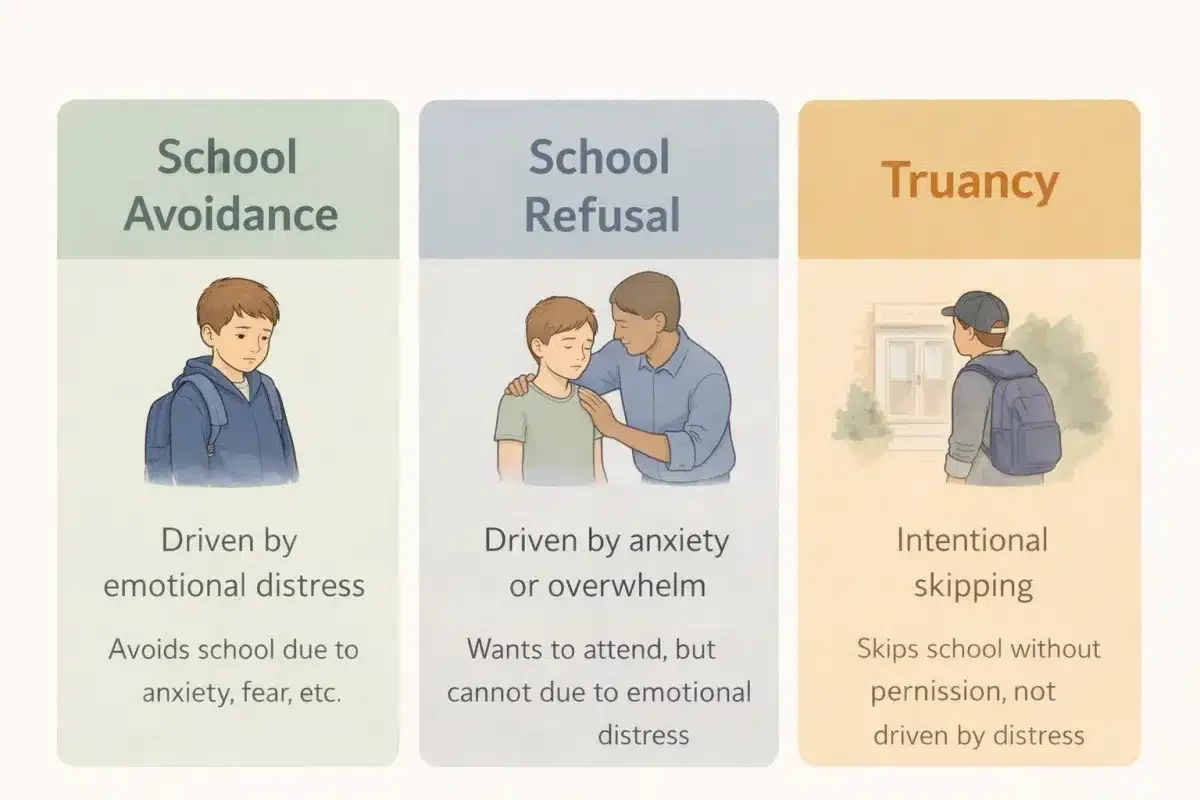
emotionally based school avoidance
sometimes referred to as “school refusal” in older literature

School Avoidance 101 - School Avoidance Alliance
Older Children and Young People - EBSA guidance | Support Services for Education
Parents/ Carers EBSA Guidance | Support Services for Education
What is emotionally-based school avoidance? (EBSA) | Nip in the Bud
UNDERSTANDING THE ROOT CAUSES OF SCHOOL REFUSAL
Emotion-Based School Avoidance: It’s Can’t, Not Won’t – Laura Crowley Connect
Sharing EP Practice: EBSA and Autism - What Can Schools Do?
EBSA and Autism: Why Autistic Learners Avoid School and What Teachers Can Do
PDA and emotionally based school avoidance (EBSA) - PDA Society